Books Cleanup for Small BusinessA tied bank that still will not file
A reconciled bank can still leave deposits with no name. Steven Palmieri, Tax CFO and the Entrepreneur's CFO, names those deposits, lists what is still open, keeps owner spending on its own line, sets payday up with a provider you run, and prepares the return once the names exist.
Send one month.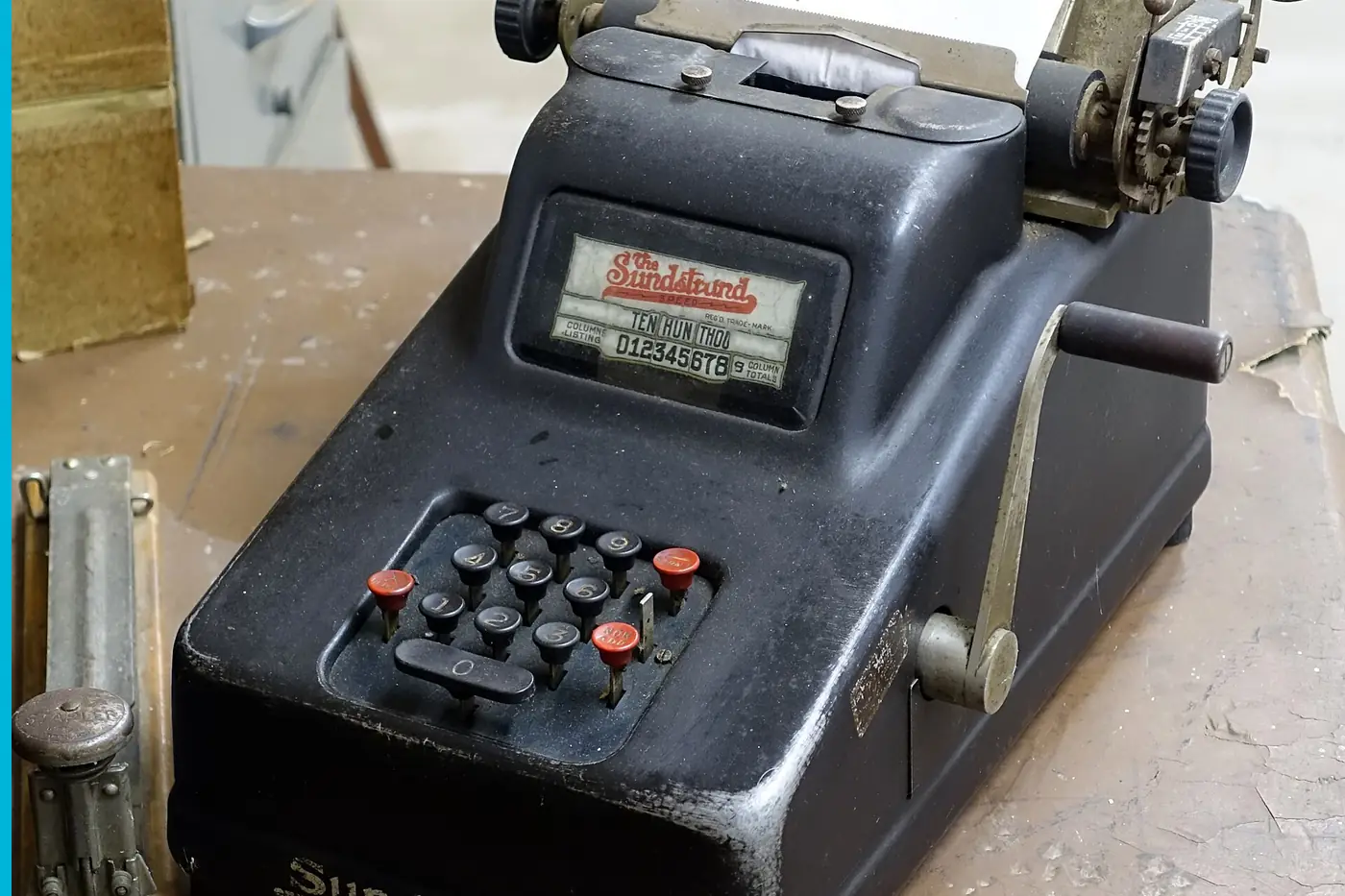
Send the tied month
Send one month that already reconciles. We will say which of the five papers is still blank, and whether those names are enough for a return. A video call is the visit. The same five papers are the subject wherever you run the company.

You will be talking to the Steven Palmieri practice.
The Tax CFO way
A cleanup gives the deposits names. A Tax CFO then reads the named month and decides what happens next. That can be owner pay on a wage line, an election asked before December, or what the return will be able to say. Five papers first. Then the month gets read.
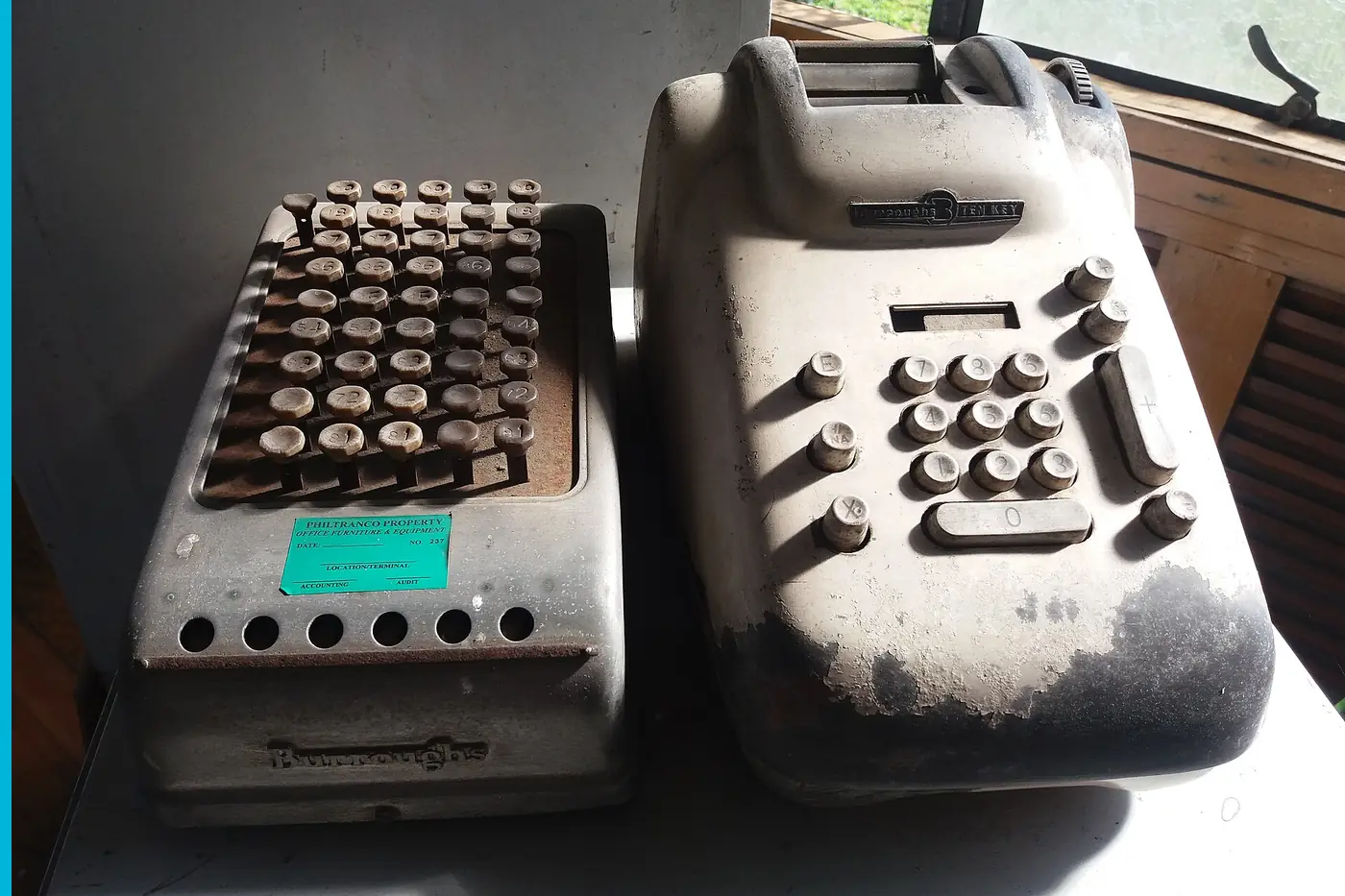
Five papers, not a new file
A tied bank can look finished while deposits still need names. Five papers fix that. A new file does not. The screen can say balanced and the lines can still be blank.
Click to see five papers ›Tap to see five papers ›
Sales are not the deposit
A card that cleared and a sale with a customer's name are two different papers. The deposit is the first. The books want the second. A fee the processor kept is often the gap.
Click to compare the deposit ›Tap to compare the deposit ›
A paid line is not a closed bill
Money can leave the account while the open list is still wrong.
Click to see open bills ›Tap to see open bills ›
The owner on a separate line
Money you took for yourself gets its own line, so the return does not read it as a cost of doing business. A personal charge on the company card is the same mix-up.
Click to separate the owner ›Tap to separate the owner ›
Wages only if someone was paid
If nobody was an employee, we invent no wage liability. If someone was, we name it, and a provider you run keeps payday.
Click to name the liability ›Tap to name the liability ›
Fall is a smaller job
Naming income while the year is still open is smaller than the same work beside a deadline.
Click to see fall scope ›Tap to see fall scope ›The reconciliation screen can say the month is balanced while five deposits still have no name. That screen is the relief you earned. The blank names are why the return still waits, and these rows sort that month.
Six rows before a month can be filed
Open a row. The note says what that paper has to show.
1The tie
A reconciled account is the start of the packet, not the finish. The bank can agree with itself while the deposits still have no names.
We read the tie with you and then ask which deposits are still a lump.
2The sale
The sales total and the deposit are allowed to differ. A fee kept by a processor, or a transfer that was never a sale, will make them differ.
We put the settlement beside the week's sales and name the gap.
3The bill
A payment that left the bank is not a bill that was entered and closed. The open list is a list, not a guess from the bank feed.
We ask whether checks were entered as bills before anyone calls the list empty.
4The wage
If someone was an employee, the packet names the wage liabilities. If nobody was, the packet does not invent a liability to fill a blank.
You run payday once the wage accounts and the registrations exist. We stop at the handoff and we do not stay on the pay run.
5The owner
Owner spending inside an expense makes the business look like a household. A contribution booked as sales makes a gift look like revenue.
We keep that activity on its own line so both mistakes stay visible.
6The election
The entity and the election are asked before a number moves. A reclass that fits one election can be wrong for another.
We ask which election is already on the return before anything is moved.
Steven Palmieri, Tax CFO.
Steven and his team name those deposits, then prepare the return the names can carry.
Talk with us.What the five papers actually are.
The bank tie comes first, and it is only the start. After it, the packet wants a sales total that is allowed to differ from the deposit, a list of bills still open, wage liabilities only when someone was an employee, and the owner's own activity on a line that is not an expense and not a sale.
Missing any one of those is the defect. A new file is a different decision, and it is not the default when the bank already ties. The work is to name what is already there.
Unidentified deposits are traced before they are left inside income. A transfer, a personal deposit, or a processor payout can sit in the same feed as a real sale. While the paper is missing, the item can be parked where it stays visible, and that park is not a finished name.
What we will not pretend.
This address will not dress you as a restaurant, a clinic, or a job site. Those trades have their own pages. The arithmetic here is the small-business version with no trade rule attached.
There is no hourly slogan and no package price. The drivers are whether the bank ties, whether bills exist, whether anyone was an employee, whether a year is already filed, and how many months still have no names. Months unnamed are not the same claim as months behind.
The payday tool is arranged here, and you are the one who runs it after that. We do not run payday. Attest work leaves this practice, and that limit is written once on the disclosures page.
Bring the month that ties
One month that reconciles and still will not file is enough to start.
You will be talking to the Steven Palmieri practice.